The Benefits of Using Dehydrated Onion, Garlic, and Potato in Food Processing
In the modern food processing industry, efficiency, consistency, and scalability are critical for success. Dehydrated ingredients such as onion, garlic, and potato have become essential components for manufacturers looking to optimize production while maintaining high-quality standards.
These ingredients offer a perfect combination of convenience, long shelf life, and reliable flavor—making them a preferred choice across global food industries.
What Are Dehydrated Ingredients?
Dehydrated vegetables are fresh produce that undergo a controlled drying process to remove moisture while preserving their natural taste, aroma, and nutritional value.
-
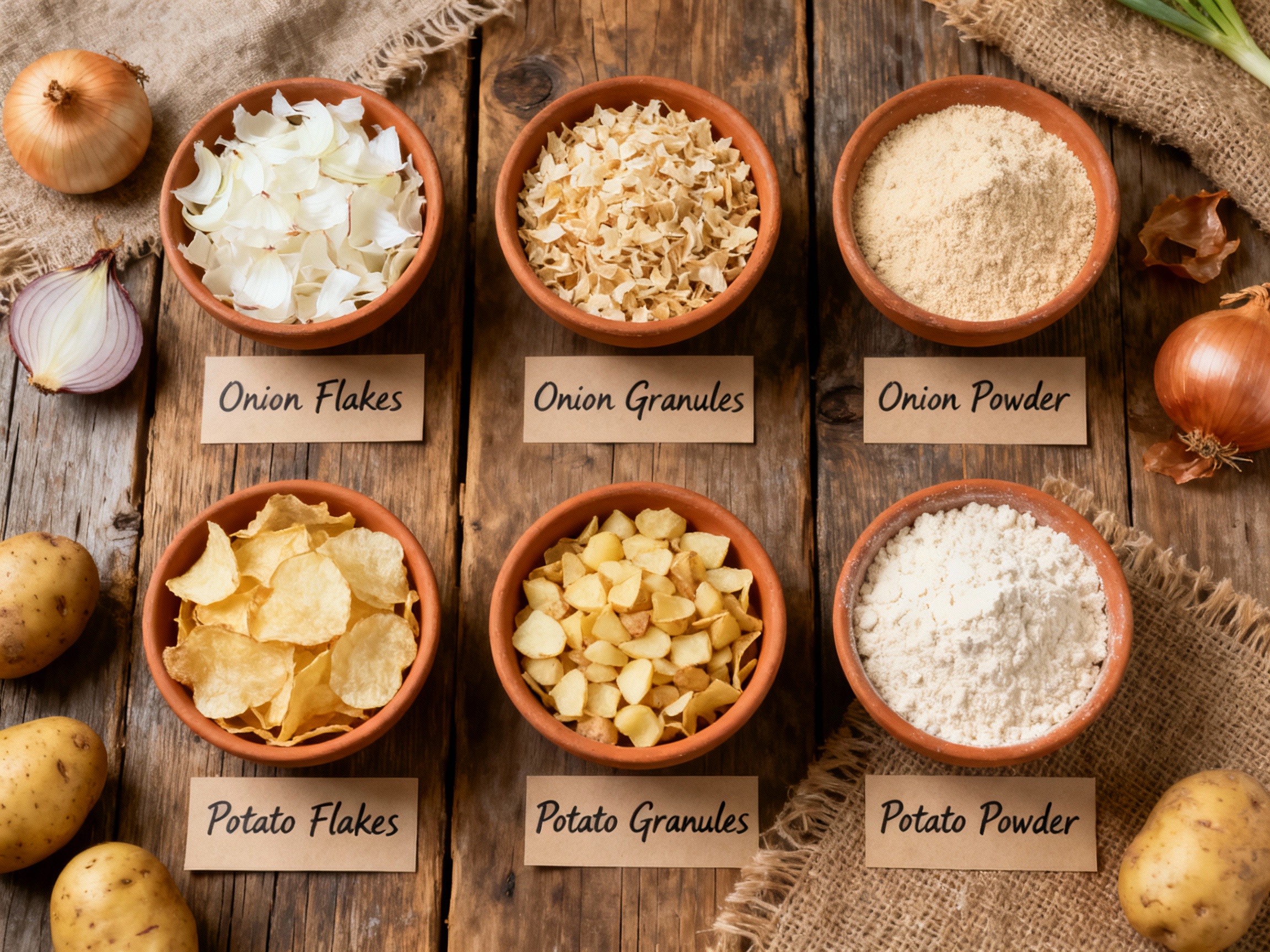
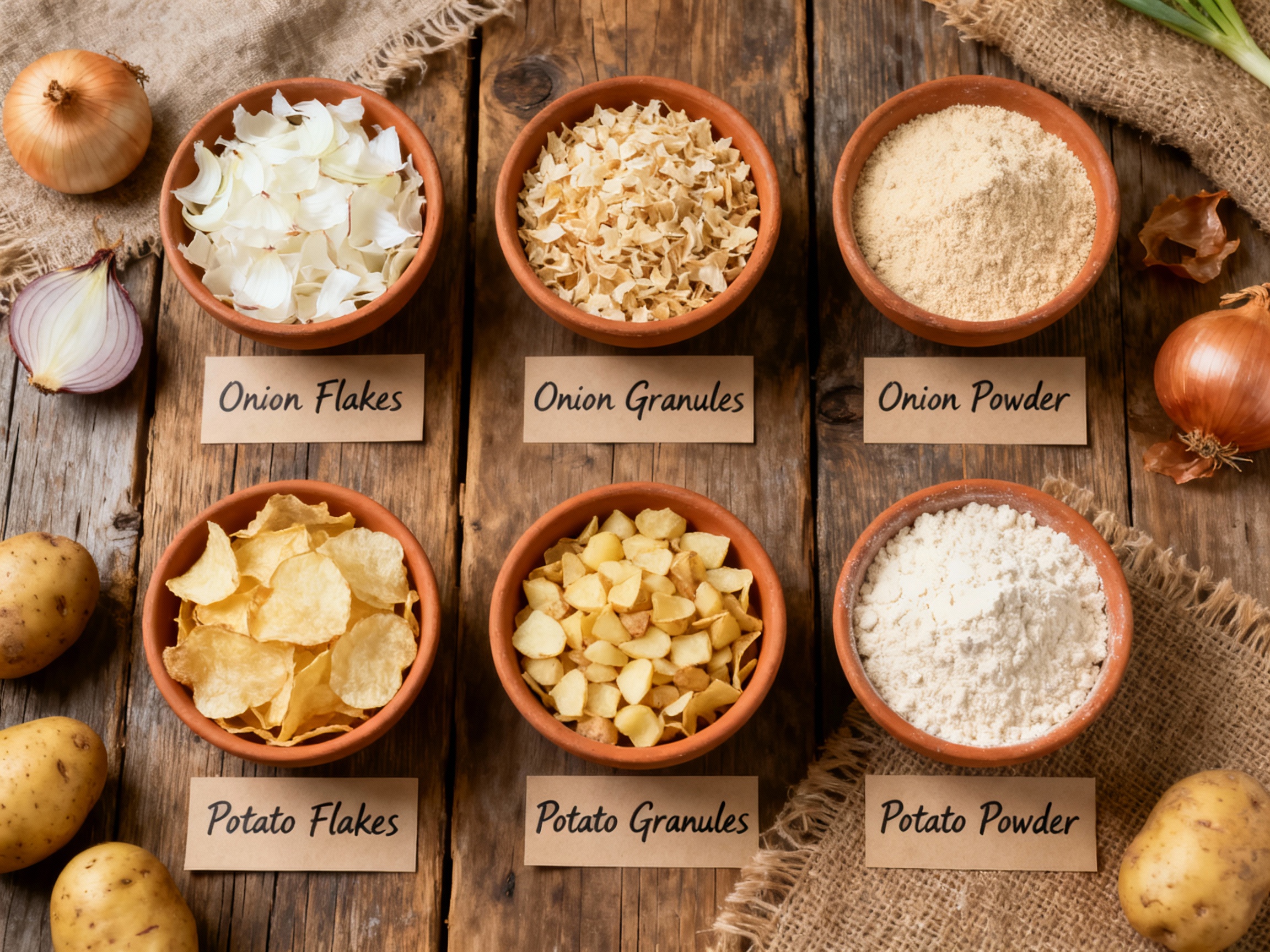
Dehydrated Onion – Available in flakes, chopped, minced, granules, and powder
-
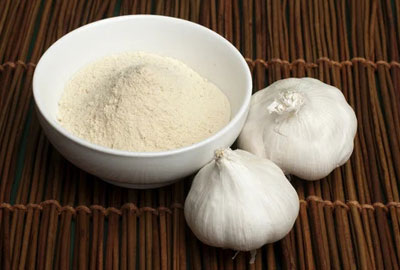
Dehydrated Garlic – Offered in flakes, minced, granules, and powder
-
Dehydrated Potato – Commonly found in flakes, dices, granules, and powder
Each form is tailored for specific applications in food processing.
Key Benefits of Using Dehydrated Onion, Garlic, and Potato
1. Extended Shelf Life
Dehydrated products have significantly lower moisture content, which helps prevent spoilage and microbial growth. This allows:
-
Longer storage periods
-
Reduced dependency on cold storage
-
Lower inventory losses
2. Consistent Quality and Flavor
Fresh produce often varies due to seasonality and origin. Dehydrated ingredients ensure:
-
Uniform taste and aroma
-
Standardized texture
-
Reliable batch-to-batch consistency
This is especially important for large-scale food manufacturing.
3. Cost Efficiency
Switching to dehydrated ingredients helps reduce operational costs by:
-
Eliminating peeling, cutting, and processing labor
-
Reducing transportation costs due to lower weight
-
Minimizing wastage
4. Time-Saving and Ready-to-Use
Dehydrated onion, garlic, and potato are pre-processed and ready to use, eliminating steps like:
This significantly improves production speed and efficiency.
5. Ease of Storage and Handling
Compared to fresh vegetables, dehydrated products:
-
Require less storage space
-
Are easier to handle in bulk
-
Do not require refrigeration
This simplifies logistics, especially for exporters and large manufacturers.
6. Versatility Across Food Applications
These dehydrated ingredients are widely used in:
-
Ready-to-eat meals
-
Instant soups and noodles
-
Snack seasonings and namkeen
-
Sauces, gravies, and curries
-
Spice blends and premixes
-
Bakery and processed foods (potato-based products)
Their adaptability makes them indispensable in food processing.
7. Improved Food Safety
Low moisture content helps inhibit microbial growth, ensuring:
-
Better product stability
-
Safer food production
-
Longer shelf life of finished goods
8. Year-Round Availability
Seasonal fluctuations can affect fresh produce supply. Dehydrated onion, garlic, and potato provide:
-
Stable supply throughout the year
-
Consistent pricing
-
Uninterrupted production cycles
Why Food Manufacturers Prefer Dehydrated Ingredients
Food processors worldwide are increasingly adopting dehydrated vegetables to enhance efficiency and maintain consistent quality. These ingredients not only simplify operations but also help scale production without compromising on taste or safety.
Conclusion
Dehydrated onion, garlic, and potato are more than just convenient alternatives—they are strategic ingredients that support modern food processing needs. From improving efficiency and reducing costs to ensuring consistency and safety, these products play a vital role in today’s competitive food industry.
For businesses aiming to deliver high-quality products at scale, incorporating dehydrated ingredients is a smart and sustainable choice.


Share This Blog