How to Choose the Right Dehydrated Onion Supplier
In the global food processing industry, selecting the right supplier for dehydrated ingredients is a critical decision. The quality of dehydrated onion, garlic, and potato directly impacts the taste, safety, and consistency of your final product.
With countless suppliers in the market, choosing the right partner requires careful evaluation of multiple factors beyond just price.
Why Choosing the Right Supplier Matters
A reliable supplier ensures:
-
Consistent product quality
-
Timely deliveries
-
Compliance with food safety standards
-
Long-term business stability
On the other hand, the wrong choice can lead to production delays, inconsistent taste, and potential quality issues.
Key Factors to Consider When Selecting a Supplier
1. Product Quality and Standards
Quality should always be your top priority. Evaluate:
-
Color, aroma, and flavor consistency
-
Moisture content levels
-
Absence of contaminants
Ask for product specifications and lab reports to verify quality benchmarks.
2. Certifications and Compliance
Ensure the supplier complies with international food safety standards such as:
-
HALAL
-
KOSHER
-
FSSAI (for India-based suppliers)
- APEDA
- SPICE BOARD OF INDIA
These certifications indicate a commitment to quality and safety.
3. Manufacturing Capabilities
A strong supplier should have:
-
Modern dehydration technology
-
Hygienic processing facilities
-
Adequate production capacity
This ensures they can meet both small and bulk requirements without compromising quality.
4. Product Range and Customization
Choose a supplier that offers a wide range of products and flexibility, such as:
-
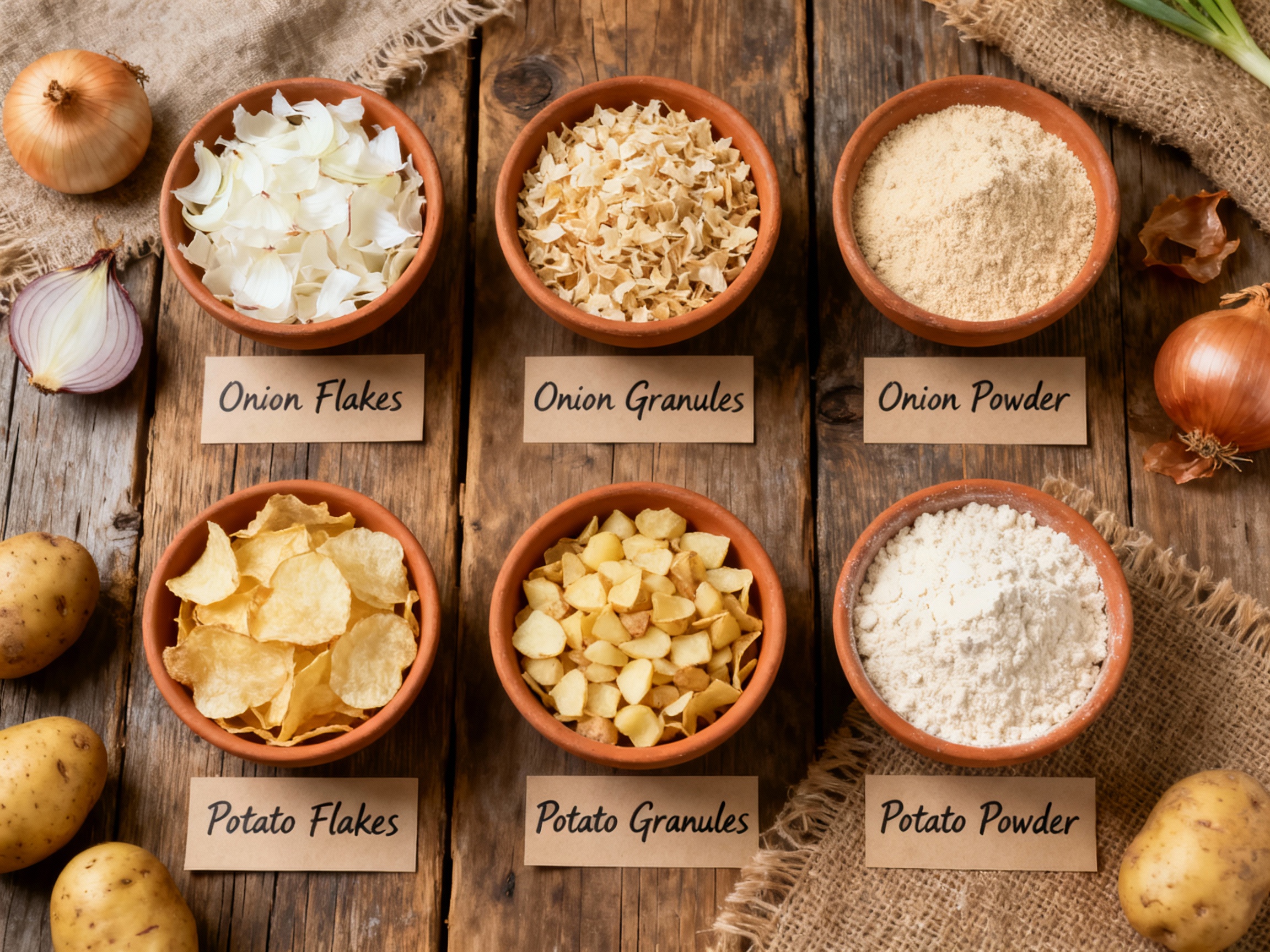
Onion (flakes, minced, powder)
-
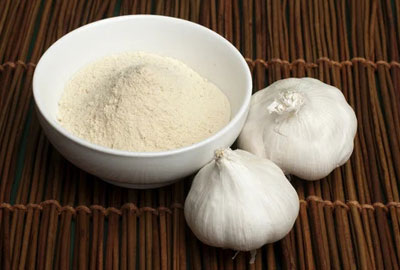
Garlic (granules, powder, chopped)
-
Potato (flakes, dices, powder)
Customization options like specific cut sizes or packaging formats are a big advantage.
5. Consistency and Batch Reliability
Consistency is crucial in food processing. A good supplier should:
-
Maintain uniform quality across batches
-
Provide traceability of raw materials
-
Follow standardized processes
This ensures your final product tastes the same every time.
6. Packaging and Logistics
Proper packaging plays a key role in maintaining product quality. Look for:
-
Food-grade, moisture-proof packaging
-
Strong export packaging standards
-
Efficient logistics and shipping support
Reliable logistics ensure timely delivery and reduce supply chain disruptions.
7. Pricing vs Value
While competitive pricing is important, the cheapest option is not always the best. Consider:
-
Overall value for money
-
Quality assurance
-
Service reliability
A slightly higher price for consistent quality often results in better long-term profitability.
8. Experience and Industry Reputation
Suppliers with years of experience understand market demands better. Check:
-
Industry presence
-
Client portfolio
-
Export markets served
Established suppliers are more likely to deliver reliable and consistent service.
9. Customer Support and Communication
Strong communication is essential for smooth operations. A good supplier should:
-
Respond quickly to inquiries
-
Provide clear documentation
-
Offer technical support when needed
10. Sampling and Trial Orders
Before finalizing a supplier, always:
-
Request product samples
-
Conduct quality testing
-
Start with a trial order
This helps you evaluate performance before committing to large volumes.
Red Flags to Avoid
Be cautious of suppliers who:
-
Offer unusually low prices
-
Lack certifications
-
Have inconsistent communication
-
Cannot provide samples or documentation
These may indicate potential risks in quality and reliability.
Conclusion
Choosing the right supplier for dehydrated onion, garlic, and potato is a strategic decision that directly impacts your product quality and business success. By focusing on quality, certifications, consistency, and reliability, you can build a strong and long-term supply partnership.
In a competitive food industry, the right supplier is not just a vendor—but a key partner in your growth journey.


Share This Blog