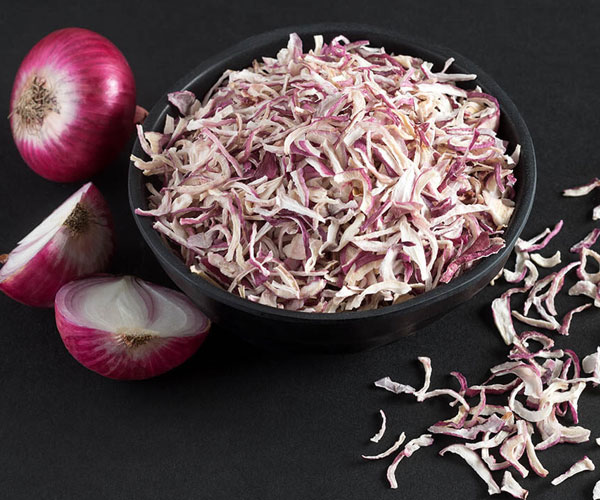
How Dehydrated Onion is Processed and Manufactured
Dehydrated onion is one of the most widely used ingredients in the global food processing industry. Known for its long shelf life, convenience, and consistent flavor, it plays a key role in products like instant foods, snacks, sauces, and spice blends.
But have you ever wondered how fresh onions are transformed into high-quality dehydrated products? Let’s explore the complete manufacturing process.
Overview of Dehydrated Onion Processing
The dehydration process involves removing moisture from fresh onions under controlled conditions while preserving their natural taste, aroma, and nutritional value. Each stage is carefully managed to ensure food safety and product consistency.
Step-by-Step Manufacturing Process
1. Raw Material Selection
The process begins with selecting high-quality fresh onions. Ideal onions for dehydration are:
-
Fully matured
-
Free from defects and decay
-
High in pungency and flavor
Sourcing from reliable agricultural regions ensures consistent quality in the final product.
2. Cleaning and Sorting
Fresh onions are thoroughly cleaned to remove:
-
Dirt and soil
-
Outer dry skins
-
Foreign materials
They are then sorted based on size and quality to maintain uniformity in processing.
3. Peeling and Trimming
The outer layers are removed using mechanical peelers or manual methods. The onions are then:
-
Trimmed at both ends
-
Inspected for defects
Only clean, usable portions proceed to the next stage.
4. Washing
After peeling, onions are washed again using clean, potable water to ensure complete hygiene and removal of any remaining impurities.
5. Cutting and Slicing
Depending on the final product requirement, onions are cut into different forms:
-
Slices (for flakes)
-
Chopped pieces
-
Minced sizes
Uniform cutting ensures even drying and consistent product quality.
6. Dehydration (Drying Process)
This is the most critical stage. The onion pieces are dried using hot air dehydration technology at controlled temperatures.
-
Moisture is reduced from ~85% to around 5–7%
-
Temperature and airflow are carefully regulated
-
Nutritional value and flavor are preserved
This process significantly extends shelf life.
7. Cooling
After drying, the dehydrated onion is cooled to room temperature to:
-
Prevent condensation
-
Maintain product stability
-
Prepare for further processing
8. Milling and Sieving (If Required)
For products like granules or powder:
-
Dried onion is milled into smaller particles
-
Sieved to achieve uniform size
Different mesh sizes are used based on customer requirements.
9. Quality Inspection
Strict quality checks are conducted at every stage, including:
-
Moisture content analysis
-
Microbial testing
-
Color, flavor, and aroma evaluation
This ensures compliance with international food safety standards.
10. Packaging
The final product is packed in:
-
Food-grade, moisture-proof packaging
-
Customized bulk or retail packs
Proper packaging preserves freshness and protects against contamination during storage and transportation.
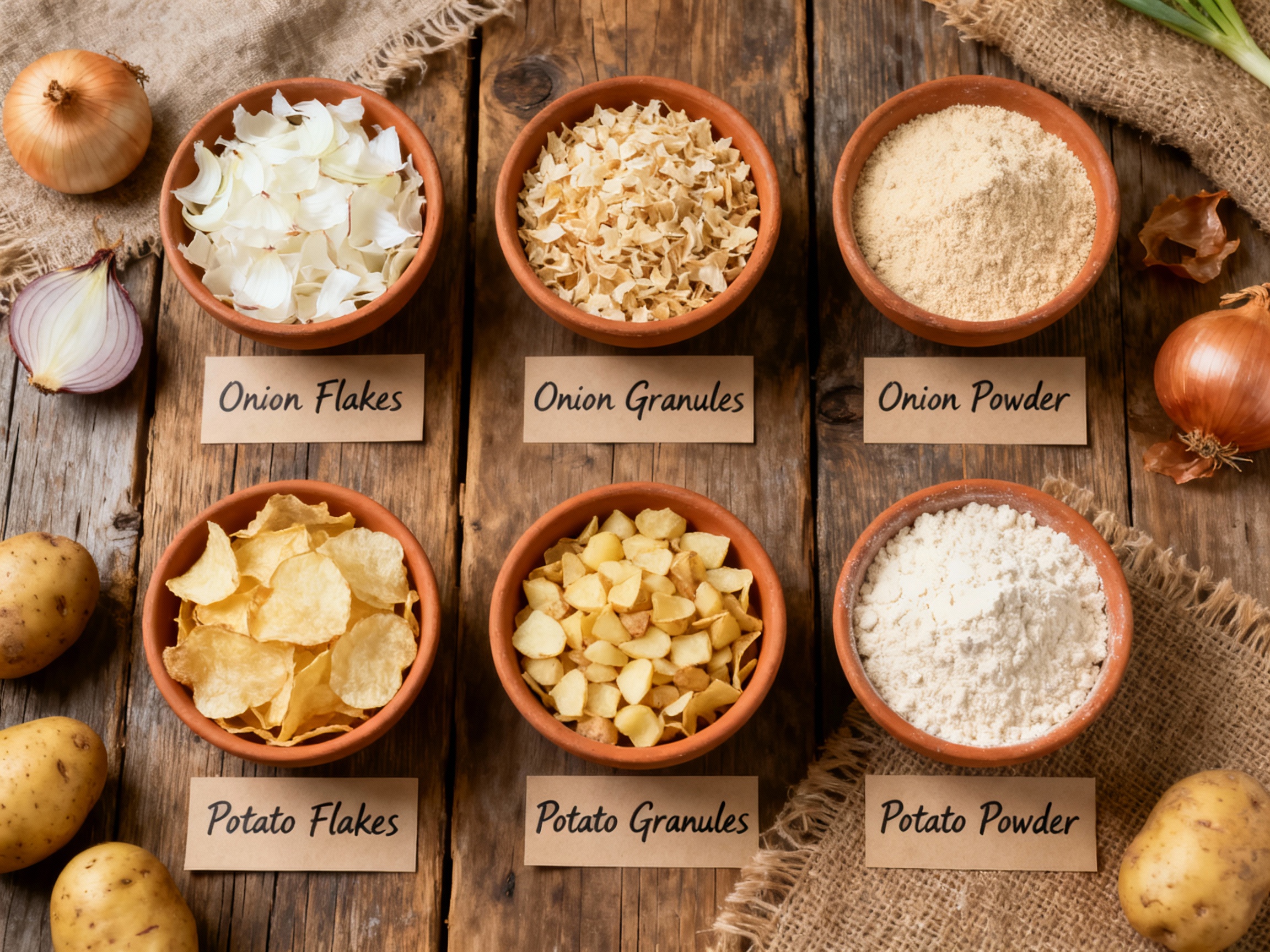
Forms of Dehydrated Onion Available
Depending on application, dehydrated onion is offered in various forms:
-
Onion Flakes
-
Chopped Onion
-
Minced Onion
-
Onion Granules
-
Onion Powder
Each form is designed to meet specific industrial and culinary needs.
Applications in Food Industry
Dehydrated onion is widely used in:
-
Instant soups and noodles
-
Snack seasonings
-
Sauces and gravies
-
Ready-to-eat meals
-
Spice blends
Its versatility makes it an essential ingredient in modern food processing.
Conclusion
The manufacturing of dehydrated onion is a precise and controlled process that ensures quality, safety, and consistency. From selecting the finest raw onions to advanced drying and packaging techniques, every step plays a vital role in delivering a superior product.
For food manufacturers, dehydrated onion offers a reliable, efficient, and cost-effective solution without compromising on taste or quality.


Share This Blog